


What Are Common Mistakes When Frying Onions?
Fried onions are a widely used type of seasoning food product, commonly found in items such as hamburgers, hot dogs, and salads. In industrial production, the process may appear to simply involve frying cut onions in hot oil; however, the final product's color, crispiness, oil content, aroma, and mouthfeel are actually influenced by various factors, including the raw material, slicing specifications, oil temperature, frying duration, and the method of oil removal.
During production, in particular, improper equipment parameter settings can easily lead to issues such as excessively dark onion color, a lack of crispness, high oil content, localized scorching, and uneven coloring of the finished product. So, What are common mistakes when frying onions?
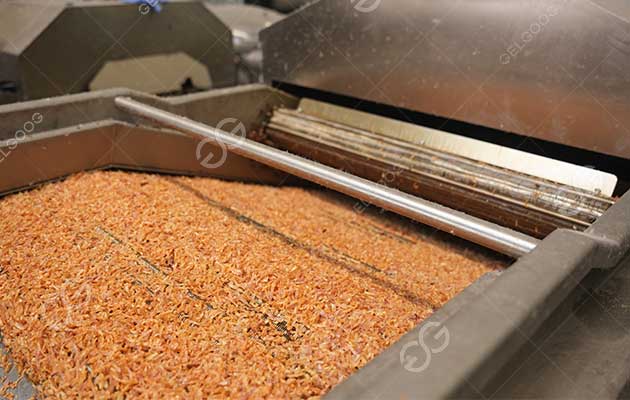
1. Excessive oil temperature: Onions tend to darken, and the interior fails to become crispy.
This is a common issue in the production of fried onions. Some producers believe that raising the oil temperature can shorten frying times and boost production efficiency. However, onions have a high natural water content; if the oil temperature is set too high, surface moisture evaporates rapidly and browning occurs. This causes the outer layer to quickly turn dark yellow or even charred black, while the moisture inside has not yet been sufficiently released.
Solution:
Frying temperatures should be appropriately adjusted based on the onion variety, slice thickness, and product specifications; one should not simply raise the temperature in pursuit of higher output. Additionally, continuous frying equipment should be equipped with a stable temperature control system to maintain the oil temperature within a relatively steady range.
2. Oil temperature too low: Onions absorb excessive oil, and the finished product lacks crispness.
When the oil temperature is insufficient, the onions fail to rapidly form a stable surface structure upon entering the fryer; as moisture is released slowly, oil more easily penetrates the interior of the product. Consequently, the fried onions may suffer from a soft texture, high oil content, and a lack of aroma.
Solution:
First, verify that the heating system can supply sufficient heat, and then check the accuracy of the fryer's temperature control. During production, avoid adding an excessive amount of onions at once, as a large quantity of cold raw material entering the fryer will cause the oil temperature to drop rapidly.
3. Inconsistent onion slice thickness: Uneven color and texture in the finished product
Many people focus solely on the frying equipment while overlooking the initial slicing process. If the onion slices vary in thickness, they will lose moisture at different rates during frying. Thinner slices may become overly crisp or even burnt, while thicker slices remain relatively soft. Consequently, the final batch will contain a mix of pieces with excessively dark colors, normal colors, and insufficient crispness.
Solution:
Ensure consistent onion slice dimensions prior to the frying stage. For industrial production, it is recommended to use specialized onion slicing equipment and to control slice thickness by adjusting the blades and slicing parameters.
Of course, you may encounter various issues during the onion frying process; please feel free to contact our customer service team with any questions, and we will do our best to assist you.